GEO Optimization: How to Appear in ChatGPT & Gemini
How to make your brand visible in ChatGPT, Gemini, and Google AI Overviews using GEO techniques? Field-tested, concrete strategies that go beyond classic SEO.
Google AI Overviews now sits at the top of search results. ChatGPT and Gemini generate direct answers without redirecting users to another page. The #1 ranking you targeted in classic SEO is losing its meaning in this new environment; because appearing in AI search results is a different game. When I first noticed this, our client's organic traffic was dropping but brand awareness was rising. The reason? LLMs were mentioning them, but not linking. That's where GEO — Generative Engine Optimization — comes in to fill that gap.
The Breaking Point Between Classic SEO and GEO
The most overlooked point here is this: GEO, as generative engine optimization, doesn't target ranking but citationworthiness. As emphasized in Google's AI features documentation, AI Overviews combine multiple signals to cite sources. But these signals differ from classic PageRank and keyword density. My observation is that being in the top three isn't enough; your content needs to offer a clear point of view and carry original data that sets you apart from competitors. Most sources miss this, but AI answers mostly prefer pages that reconcile conflicting sources or go deep on a specific subtopic. So instead of being the "most comprehensive guide," being the "clearest and irrefutable paragraph" is now more valuable.
How ChatGPT and Gemini Select Sources

Understanding how LLMs select sources is essential to reclaiming search engine visibility. ChatGPT and Gemini combine entity relationships in their training data with web access capabilities. As Search Engine Land's 2026 GEO guide notes, having your brand mentioned consistently across different platforms is critical here. If your brand name appears across various sources in answers to industry-related questions, the model encodes you as an authority on that topic. When I first learned this, I was focusing solely on on-site optimization; yet external brand mentions, references in forum discussions, and press citations also shape the LLM's trust map. Additionally, these platforms use structured data and schema markup to pull fresh information; but remember, schema alone isn't enough — text quality that fills the semantic gap is mandatory.
Restructuring Content for GEO
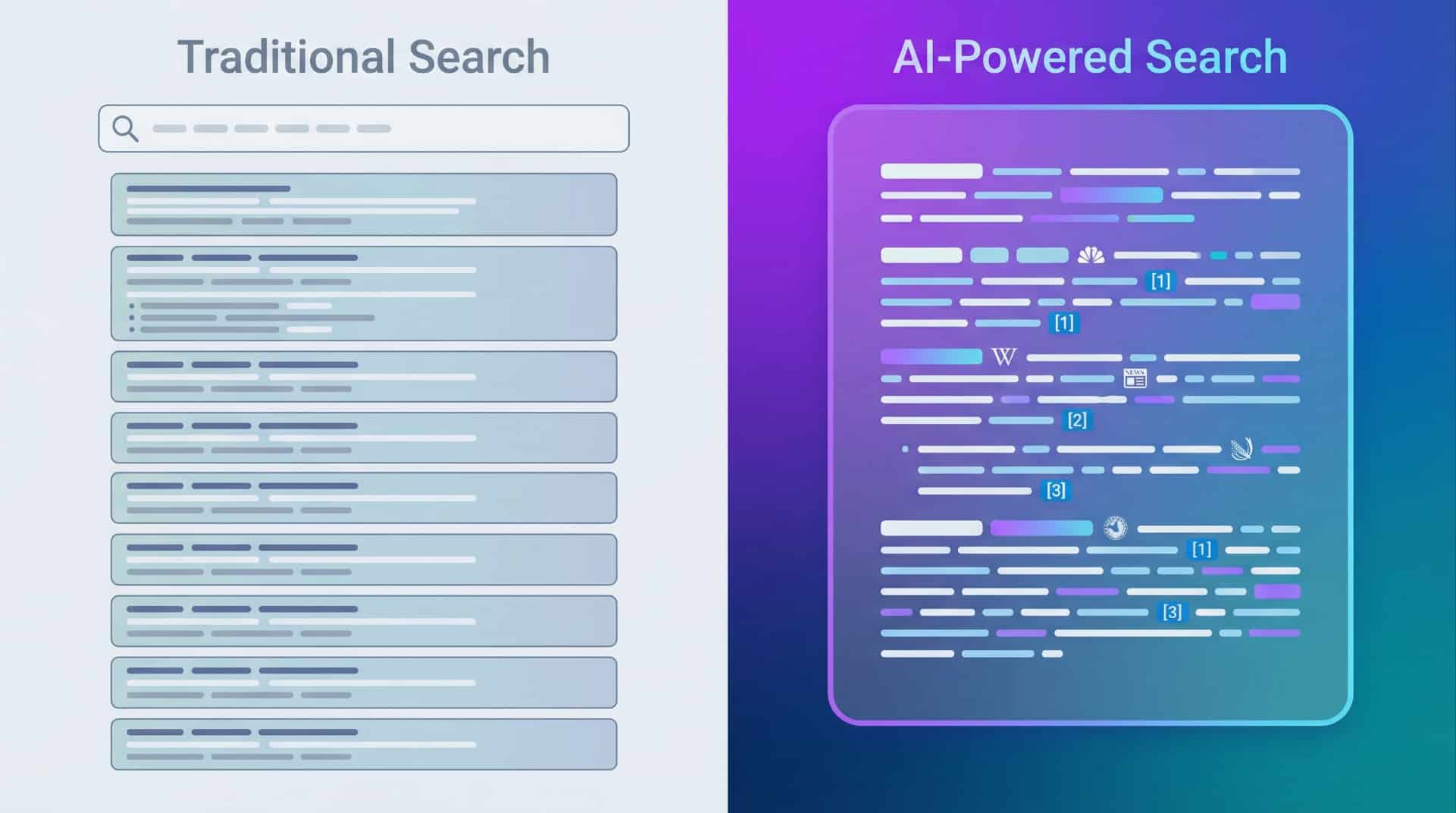
So how do you put this into practice? Break your content into modules that LLMs can easily infer from. Instead of long, flowery introductory paragraphs, write each section as a self-contained answer. A common trait of pages that Google AI Overviews sources is a structure that answers the question directly and then provides the detail. For example, you can frame your answer to "What is X technology?" like this:
<p>X teknolojisi, veri akışlarını gerçek zamanlı işleyen dağıtık bir mimaridir.</p>\n<p>Bu mimarinin üç temel bileşeni vardır:...</p>This structure makes it easier for the model to understand sentence boundaries and topical coherence. Additionally, original case studies, charts, or comparative tables placed under each section help AI select you as verified information from diverse sources. Because models prefer information that isn't just accurate, but supported from multiple angles.
Publisher Pressure in Europe and Brand Safety
Beyond technical optimization, GEO's legal foundation will also affect your strategy. According to a report Reuters announced in recent months, Italy's media regulator complained to the EU that Google's AI search tools violate publisher rights. This could create a breaking point in how ChatGPT and Google AI Overviews pull content. If platforms start licensing from content creators or feeding only from partner networks, the GEO work you do today could become invalid tomorrow. That's why you need to move your brand from merely being discoverable by AI to being preserved as a trusted reference by AI. The path to this lies in offering original research, first-hand data, and impartial expertise. If your content is merely an easily copied compilation, you'll be among the first to fall when legal restrictions arrive. Account for this risk in your GEO strategy starting today; turn your content into a resource worth licensing to protect your visibility in the short term and your existence as a publisher in the long term.
Sources
- https://developers.google.com/search/docs/appearance/ai-features?utm_source=chatgpt.com
- https://searchengineland.com/mastering-generative-engine-optimization-in-2026-full-guide-469142?utm_source=chatgpt.com
- https://searchengineland.com/plan-for-geo-2026-evolve-search-strategy-463399?utm_source=chatgpt.com
- https://www.reuters.com/sustainability/society-equity/italys-media-regulator-asks-eu-investigate-google-ai-search-tools-over-publisher-2026-04-30/?utm_source=chatgpt.com